Mental Care Blog
Simplified medical articles from certified specialists and doctors help you understand your psychological condition and make better decisions.
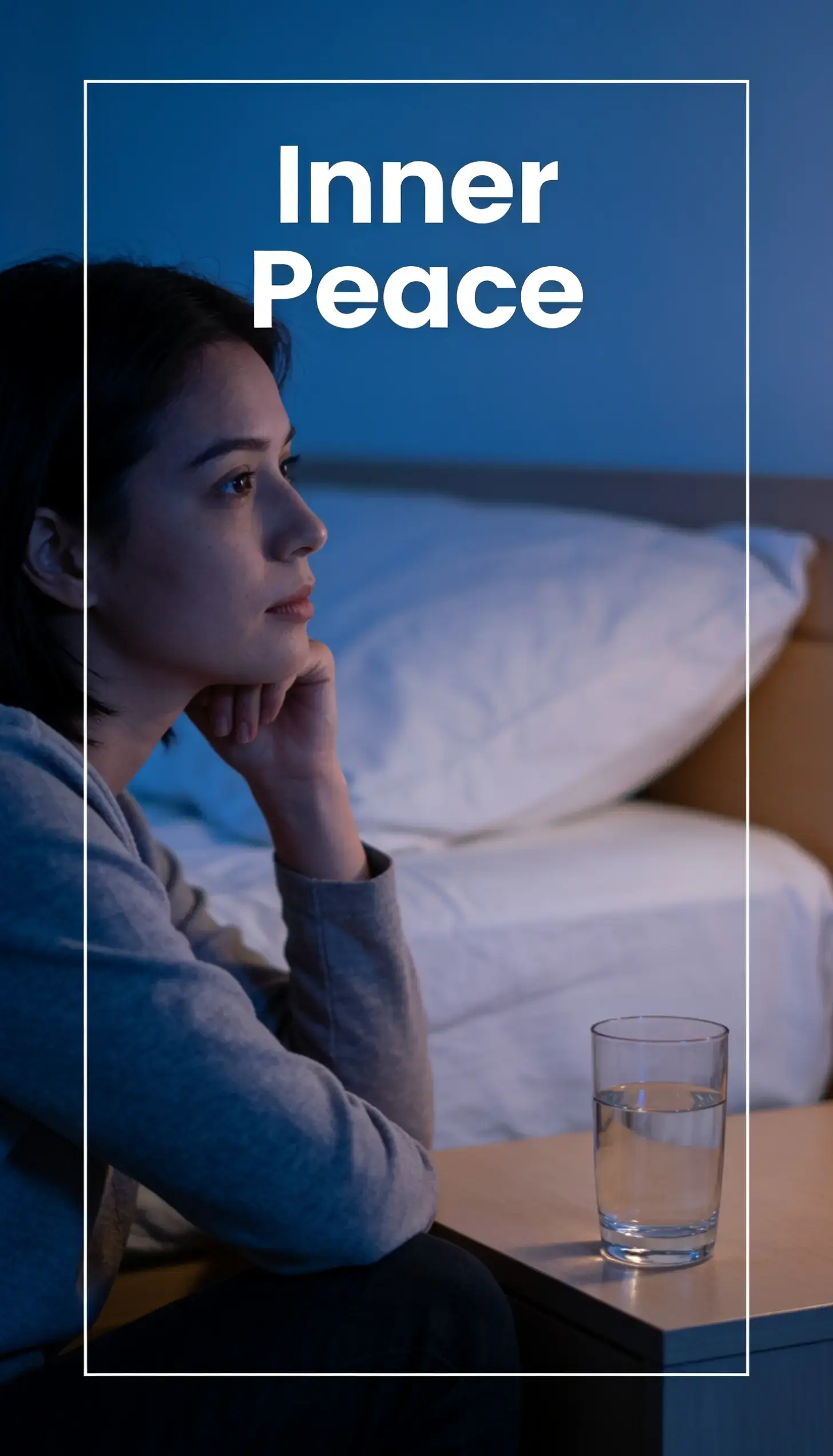
Sleep Anxiety: Why Can’t You Sleep Even When You Are Exhausted?


Sleep Anxiety: Why Does Anxiety Increase Before Bed and When Should You Seek Support?
Sleep anxiety is a state of tension, overthinking, or fear that appears before sleep or while trying to sleep, making it hard for a person to relax even when they are tired and need rest.
You may spend the whole day busy, working, answering messages, meeting people, and handling responsibilities. But once everything becomes quiet and your head touches the pillow, the mind starts opening too many files: What will happen tomorrow? Why did I say that? What if I fail? Why can’t I sleep?
At Mental Care, we believe that sleep is not a luxury. It is an essential part of mental health. When bedtime becomes a space for anxiety, fear, and nonstop thinking, it deserves attention.
Important note:
This article is for awareness only and does not replace professional medical or psychological advice. If anxiety before sleep comes with thoughts of self-harm, severe panic attacks, strong chest pain, or severe shortness of breath, seek immediate help from local emergency services or the nearest hospital.
What Is Sleep Anxiety?
Sleep anxiety is excessive worry about sleep or fear of not being able to sleep, which can make bedtime feel stressful instead of restful.
At first, it may happen because of temporary pressure: an exam, interview, work problem, family conflict, or important decision. But with repetition, a person may start fearing sleep itself and think: “I definitely will not sleep tonight,” or “If I do not sleep well, tomorrow will be ruined.”
This creates an exhausting cycle: you worry because you cannot sleep, then you cannot sleep because you are worried. Over time, the bed may become associated with tension and overthinking instead of rest.
Why Does Anxiety Increase Before Bed?
Anxiety often increases before bed because quietness and fewer distractions allow delayed thoughts to appear, so the mind begins reviewing the day, predicting tomorrow, and analyzing situations that cannot be solved in that moment.
During the day, you may be too busy to notice your anxiety. But before sleep, distractions decrease, and the mind may start processing everything that was postponed throughout the day.
Common thoughts may include:
- Why did that situation happen today?
- What if I fail tomorrow?
- Am I falling behind?
- What if I cannot sleep?
- What if I wake up exhausted?
- Could there be a health problem behind what I feel?
The more a person tries to force the thoughts away, the stronger they may feel. That is why sleep anxiety is not only about “trying to sleep”; it is also about understanding the thinking pattern that becomes active at bedtime.
Symptoms of Sleep Anxiety
Symptoms of sleep anxiety may include difficulty falling asleep, waking during the night, overthinking, fear of not sleeping, palpitations, body tension, daytime fatigue, and poor concentration.
Symptoms may appear psychologically, physically, or behaviorally. Some people feel anxiety mainly in their thoughts, while others feel it more in their bodies.
Mental Symptoms
- Overthinking as soon as you get into bed.
- Fear of not being able to sleep.
- Expecting the next day to be bad because of poor sleep.
- Repeatedly reviewing situations from the day.
- Thinking about the future, work, or studies at bedtime.
Physical Symptoms
- Fast heartbeat or palpitations.
- Muscle tension or body tightness.
- Mild shortness of breath or chest tightness.
- Sweating or slight trembling.
- Morning fatigue despite spending hours trying to sleep.
Behavioral Symptoms
- Scrolling on the phone for long periods to escape thoughts.
- Delaying bedtime to avoid facing anxiety.
- Watching the clock and calculating how many hours remain.
- Sleeping at irregular times.
- Using caffeine or stimulants to cope with next-day tiredness.
Sleep Anxiety or Insomnia?
Sleep anxiety can be one cause of insomnia, but insomnia is broader. It may be related to stress, sleep habits, health conditions, medications, or other mental health concerns.
Insomnia means difficulty falling asleep, staying asleep, or waking too early without feeling rested. Sleep anxiety focuses more on the fear and tension linked to bedtime or the idea of not sleeping.
| Sleep Anxiety | Insomnia |
|---|---|
| Linked to fear of not sleeping or overthinking before bed | Means difficulty sleeping, waking often, or waking too early |
| Often includes clock-watching and worry about the next day | May be caused by stress, habits, health conditions, or medications |
| May improve by understanding thoughts and reducing fear around sleep | May need assessment if it continues or affects daily functioning |
Causes of Sleep Anxiety
Sleep anxiety may be caused by stress, fear of failure, overthinking, previous insomnia experiences, general anxiety, panic attacks, irregular sleep habits, or excessive phone use before bed.
There is no single cause for everyone. Sometimes sleep anxiety is linked to a temporary stressful period, and sometimes it is part of ongoing anxiety that appears in more than one area of life.
1. Overthinking Before Bed
Some people do not have time to process their emotions during the day, so everything appears at bedtime. The mind starts reviewing decisions, situations, conversations, possibilities, and fears.
2. Fear of Not Sleeping
After repeated insomnia experiences, a person may begin fearing that it will happen again. This fear alone can prevent sleep even when the body is tired.
3. Work or Study Pressure
Deadlines, exams, meetings, responsibilities, and expected results can keep the mind active at night, especially if the person tends to analyze every possible outcome.
4. General Anxiety
If a person feels anxious throughout the day, anxiety may naturally appear at bedtime too. At night, it may feel stronger because there are fewer distractions.
5. Phone Use Before Bed
The phone may seem like a way to escape thoughts, but it can keep the mind more alert because of news, messages, short videos, or social comparison.
Why Does Watching the Clock Make Sleep Anxiety Worse?
Watching the clock turns sleep into a task that must be completed quickly, and every passing minute may increase pressure and fear of the next day.
When a person looks at the clock and thinks, “Only five hours left,” then “Only four hours left,” the body starts treating sleep like a test. The more the person feels they are failing, the more tense they become.
Instead of rest being the goal, forcing sleep becomes the goal. But sleep usually does not come under pressure. It needs a calmer environment and a less tense relationship with the bed and nighttime.
Can Sleep Anxiety Cause Physical Symptoms?
Yes, sleep anxiety may cause physical symptoms such as palpitations, muscle tension, mild shortness of breath, stomach discomfort, trembling, or a general feeling of body tension.
When the body senses danger, even if the danger is only a thought, it may enter a state of alertness. That is why your body may feel awake even when you want to sleep.
These symptoms do not always mean something serious, but they deserve attention if they are repeated, severe, or accompanied by strong chest pain, severe shortness of breath, or fear of losing control.
How Can You Manage Sleep Anxiety?
Managing sleep anxiety begins with reducing pressure around sleep, calming the body, organizing your routine, limiting phone use before bed, and understanding the thoughts that make nighttime stressful.
There is no single method that works for everyone, but these practical steps may help:
1. Do Not Turn Bedtime Into a Battle
If you go to bed thinking “I must sleep now,” pressure may increase. Try to make the first goal rest and calm, not forcing yourself to sleep.
2. Write Your Thoughts Before Bed
Set aside 10 minutes before sleep to write what is on your mind. Write the problem, what you can do tomorrow, and what you cannot control right now. This helps the mind feel that the thoughts have been noticed.
3. Reduce Phone Use Before Sleep
Try to make the last 30 to 60 minutes before sleep calmer. Replace long scrolling with something lighter: simple reading, slow breathing, preparing the room, or short journaling.
4. Notice Caffeine and Stimulants
Coffee, tea, and stimulants may affect sleep for some people, especially if consumed later in the day. Try noticing your own relationship with stimulants instead of ignoring it.
5. Use Simple Body-Calming Techniques
Slow breathing, muscle relaxation, or focusing on the feeling of your body on the bed may help shift attention from thoughts to the body.
6. Do Not Make the Bed a Place for Worry
If the bed becomes a place for long overthinking, the mind may associate it with anxiety. Try to keep your bed connected with sleep and rest as much as possible.
When Should You Speak to a Mental Health Specialist?
You may need a mental health specialist if sleep anxiety is repeated, affects your energy and focus, makes you fear nighttime, or starts affecting work, studies, relationships, or mood.
You do not need to wait until it becomes chronic insomnia or complete exhaustion. If sleep has become a daily source of fear, therapy may help you understand the loop between thoughts, tension, and bedtime behaviors.
Through the Therapists page, you can browse available specialists and choose a suitable time. You can also read more articles about anxiety and mental health through the Blog or learn more about the platform through the About Us page.
If nighttime has become a time for anxiety, seek the right support
If sleep anxiety is affecting your rest, energy, or focus, asking for help is a conscious step. Book a session with a specialist through Mental Care and start understanding what happens before sleep.
Helpful Links on Mental Care
Stay Close to Support and Awareness
If you want to understand sleep anxiety more clearly or take a safe step toward support, you can use the following Mental Care links.
```
BlogRead awareness articles about mental health, anxiety, depression, and relationships.
TherapistsBrowse available doctors and therapists and choose the time that suits you.
AcademyExplore educational content that helps simplify mental health topics.
Download the AppStart booking your mental health sessions easily through the Mental Care app.
About UsLearn more about Mental Care’s mission in making mental health support easier to access.
Contact UsContact the Mental Care team for booking or platform-related questions.
```
Frequently Asked Questions About Sleep Anxiety
What is sleep anxiety?
Sleep anxiety is tension or overthinking that happens before sleep or while trying to sleep, often linked to fear of not sleeping or worry about how poor sleep will affect the next day.
Why does overthinking increase before sleep?
Overthinking often increases before sleep because quietness and fewer distractions allow delayed thoughts to appear, so the mind starts reviewing the day or predicting tomorrow’s problems.
Is sleep anxiety the same as insomnia?
Not exactly. Sleep anxiety may contribute to insomnia, while insomnia means difficulty falling asleep, staying asleep, or waking too early and may have many possible causes.
Can phone use before sleep increase anxiety?
For some people, yes. Phone use may keep the mind active through fast content, messages, or news, making it harder to enter a calmer sleep state.
When should I book a therapy session for sleep anxiety?
If sleep anxiety is repeated, affects your energy or focus, makes you fear nighttime, or affects work and relationships, therapy may help you understand and manage it.
Can sleep anxiety be treated?
Yes. Sleep anxiety can be managed by understanding sleep-related thoughts, organizing bedtime routines, reducing behaviors that increase tension, and seeking therapy when needed.
Conclusion
Sleep anxiety does not mean you do not want to sleep. It often means your mind and body are still in a state of alertness even though you need rest. Managing it is not about forcing sleep, but about understanding the anxiety cycle that begins before bedtime.
If nighttime has become linked to fear, overthinking, or clock-watching, do not ignore it. Sleep is an important part of mental health, and seeking support may help you rebuild a calmer relationship with night and rest.
Take a Safe First Step
Do Not Let Sleep Anxiety Steal Your Rest
If sleep anxiety is affecting your rest, energy, focus, or daily life, do not postpone support. Book a session with a specialist through Mental Care and take a safe first step toward understanding and managing it.