Mental Care Blog
Simplified medical articles from certified specialists and doctors help you understand your psychological condition and make better decisions.
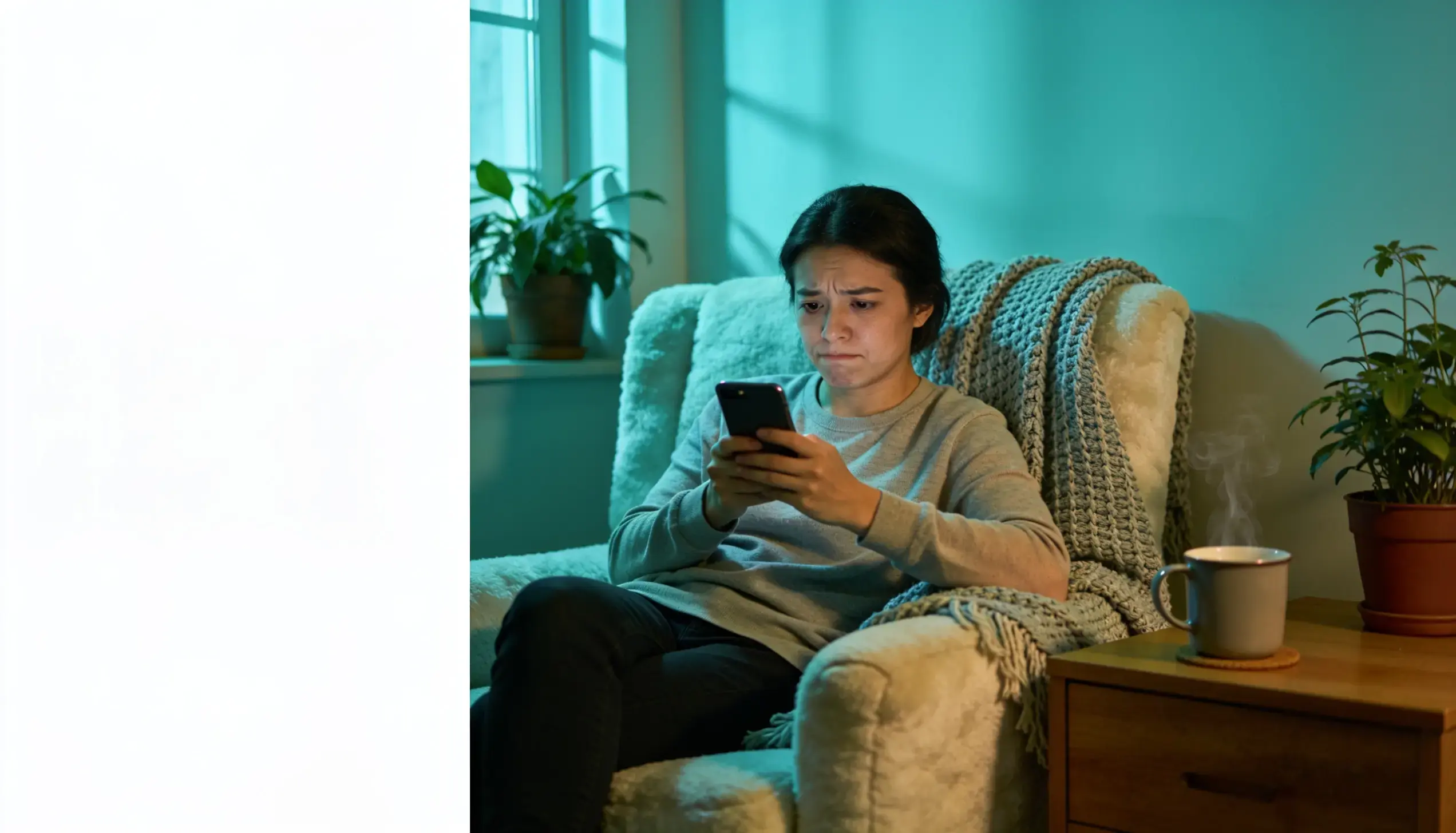
Are Bloggers’ Lives Real? How Social Media Affects Your Mental Health


Bloggers and Social Media: When Following Turns Into Emotional Pressure and Constant Comparison
Following bloggers and content creators is not a problem by itself. The problem begins when following turns into constant comparison, feeling not enough, anxiety, or emotional pressure because of the perfect image we see on social media.
Many people search for “blogger,” “blogger meaning,” “food blogger,” or trending influencer names because bloggers’ lives have become part of daily public interest. People watch what they eat, wear, buy, visit, achieve, and share.
But the more important question is not “who is trending?” The more important question is: What happens emotionally when we compare our ordinary life with selected moments from someone else’s online image?
At Mental Care, we believe social media is not always harmful, but it needs awareness and boundaries. What starts as entertainment can sometimes become emotional pressure that affects self-confidence, mood, body image, and life satisfaction.
Important note:
This article is for awareness only and does not diagnose anxiety, depression, or any mental health condition. If social media is affecting your sleep, eating, self-confidence, relationships, or if you are thinking about harming yourself, seek professional support or contact local emergency services immediately if you are in danger.
What Does Blogger Mean?
The word blogger can mean a content creator who shares daily life or experiences online, and it can also refer to Blogger, the blogging platform. In everyday use, people often mean the social media influencer or content creator.
A blogger may create content about food, beauty, travel, fashion, parenting, health, or lifestyle. Over time, bloggers’ lives have become something people follow not only for information, but also for curiosity, comparison, and emotional connection.
This is where the psychological side appears: the more we watch the details of other people’s lives, the easier it becomes to compare our lives to theirs, even when we know we are not seeing the full picture.
Are Bloggers’ Lives Real?
Bloggers’ lives on social media may include real moments, but they are often selected, edited, and designed for public viewing. They are not a full representation of daily life with its stress, fatigue, conflict, and ordinary moments.
A beautiful photo does not always show what happened before or after it. A short video does not reveal anxiety, arguments, exhaustion, failure, or normal days that are not attractive enough to post.
This does not mean every blogger is dishonest. It means that content is naturally curated. Social media rewards the most attractive moment, the strongest hook, and the most engaging image.
Why Do We Compare Our Lives to Bloggers?
We compare our lives to bloggers because the mind is affected by repeated exposure, especially when it sees success, beauty, travel, relationships, or lifestyles that appear easier and more perfect than reality.
Comparison does not always happen consciously. You may open your phone for entertainment, then find yourself asking: Why is my life not like this? Why do I not have the same body, relationship, success, calmness, or opportunities?
With repetition, a person may start seeing their own life as not enough, even when it is normal and contains many good things.
Signs That Following Bloggers Is Affecting You Emotionally
Following bloggers may be affecting your mental health if it increases feelings of inadequacy, reduces satisfaction with your life, triggers anxiety or jealousy, or makes you repeatedly compare your body, relationships, success, or lifestyle to others.
- You feel worse after scrolling instead of relaxed.
- You compare your appearance or body with others.
- You feel your life is behind or less valuable.
- You monitor influencers’ lives more than you intended.
- You buy things you do not need to feel closer to their lifestyle.
- You lose satisfaction with your home, work, relationship, or finances.
- Your mood changes after seeing certain content.
- You use social media to escape, then feel heavier afterward.
How Social Media Affects Self-Confidence
Social media can affect self-confidence when a person starts measuring their worth by likes, body image, lifestyle, or constant comparison with people who appear more successful, attractive, or happy.
Self-confidence is not only affected by what people say about us. It is also affected by what we see every day. If the content you consume repeatedly tells you that you are “less,” this feeling may slowly shape the way you see yourself.
This may appear as harsh self-criticism, appearance concerns, fear of posting photos, or feeling that your life is not worth sharing.
Social Media and Body Image
Perfect photos, filters, beauty content, and fitness content may affect body image, especially when someone starts comparing their real body with edited photos or carefully chosen angles.
The problem is not caring about appearance. The problem begins when appearance becomes a constant source of anxiety or dissatisfaction.
Real bodies change, get tired, gain weight, lose weight, and pass through different stages. Posted content often does not show that full truth.
Is Following Bloggers Always Harmful?
No. Following bloggers is not always harmful. It can be useful if it inspires, teaches, entertains, or helps you make choices. Harm begins when following turns into pressure, comparison, or loss of satisfaction.
The difference is not only in the type of content. It is also in how it affects you. The same account may inspire one person and emotionally pressure another.
Ask yourself after scrolling: Do I feel better? Did I learn something? Does this content help me appreciate my life more? Or does it make me dislike my life, body, or choices?
How to Protect Your Mental Health While Using Social Media
You can protect your mental health on social media by reducing comparison, following healthier accounts, setting time boundaries, unfollowing harmful content, and reminding yourself that what you see is not the full life.
- Notice how you feel after different types of content.
- Unfollow accounts that make you feel not enough.
- Reduce scrolling before sleep.
- Create phone-free times during the day.
- Follow content that supports you, not content that pressures you.
- Remember that the posted moment is not the full life.
- Do not compare your beginning with someone else’s public image.
- Return to real relationships and offline activities.
When Should You Seek Support?
You may need support if social media affects your self-confidence, mood, sleep, eating, relationships, or makes you repeatedly feel jealousy, inadequacy, anxiety, or sadness after scrolling.
Seeking support does not mean you are weak. Sometimes we simply need a safe space to understand why comparison affects us and what emotional needs we may be trying to meet through scrolling or constant checking.
Through the Therapists page, you can browse available specialists and choose a suitable time. You can also read more articles about anxiety, self-confidence, and mental health through the Blog or learn more about the platform through the About Us page.
You do not have to keep comparing your life to someone else’s
If following social media or bloggers’ lives is affecting your self-confidence or satisfaction with your own life, book a session with a specialist through Mental Care and start understanding the impact of comparison on you.
Helpful Links on Mental Care
Stay Close to Support and Awareness
If social media is affecting your mood or self-confidence, you can use the following Mental Care links.
```
BlogRead awareness articles about anxiety, self-confidence, relationships, and emotional pressure.
TherapistsBrowse available doctors and therapists and choose the time that suits you.
AcademyExplore educational content that helps simplify mental health topics.
Download the AppStart booking your mental health sessions easily through the Mental Care app.
About UsLearn more about Mental Care’s mission in making mental health support easier to access.
Contact UsContact the Mental Care team for booking or platform-related questions.
```
Frequently Asked Questions About Bloggers, Social Media, and Mental Health
What does blogger mean?
Blogger may mean a content creator who shares daily life or experiences online, and it may also refer to Blogger, the blogging platform. In everyday use, people often mean the social media influencer.
Can following bloggers affect mental health?
It can if it turns into constant comparison, feeling not enough, or emotional pressure. It is not always harmful if it is mindful, limited, and does not affect self-confidence.
Why do I compare myself to bloggers?
The mind is affected by repeated exposure, especially when it sees perfect images of success, beauty, travel, and relationships. The problem is that these images do not show the full life.
How do I know social media is affecting me?
If you feel worse after scrolling, compare yourself often, lose satisfaction with your life, or notice changes in sleep, mood, or self-confidence, social media may be affecting you emotionally.
Should I stop using social media completely?
Not necessarily. The key is setting healthy boundaries, choosing accounts carefully, reducing harmful content, and not using social media as the main way to evaluate yourself or your life.
When should I seek therapy?
If social media comparison affects your mood, sleep, self-confidence, or relationships, therapy may help you understand the cause and manage it in a healthier way.
Conclusion
Bloggers’ lives on social media can be inspiring or entertaining, but they should not become the standard we use to measure the value of our own lives. What we see is often a selected part of the picture, not the full truth.
If following others makes you feel that you are less or that your life is not enough, you may need to change your relationship with social media, not change yourself to match what you see on a screen.
Take a Safe First Step
Your Relationship With Social Media Can Become Calmer
If following social media or bloggers’ lives is affecting your self-confidence, mood, or satisfaction with your own life, book a session with a specialist through Mental Care and start understanding the impact of comparison on you.