Mental Care Blog
Simplified medical articles from certified specialists and doctors help you understand your psychological condition and make better decisions.
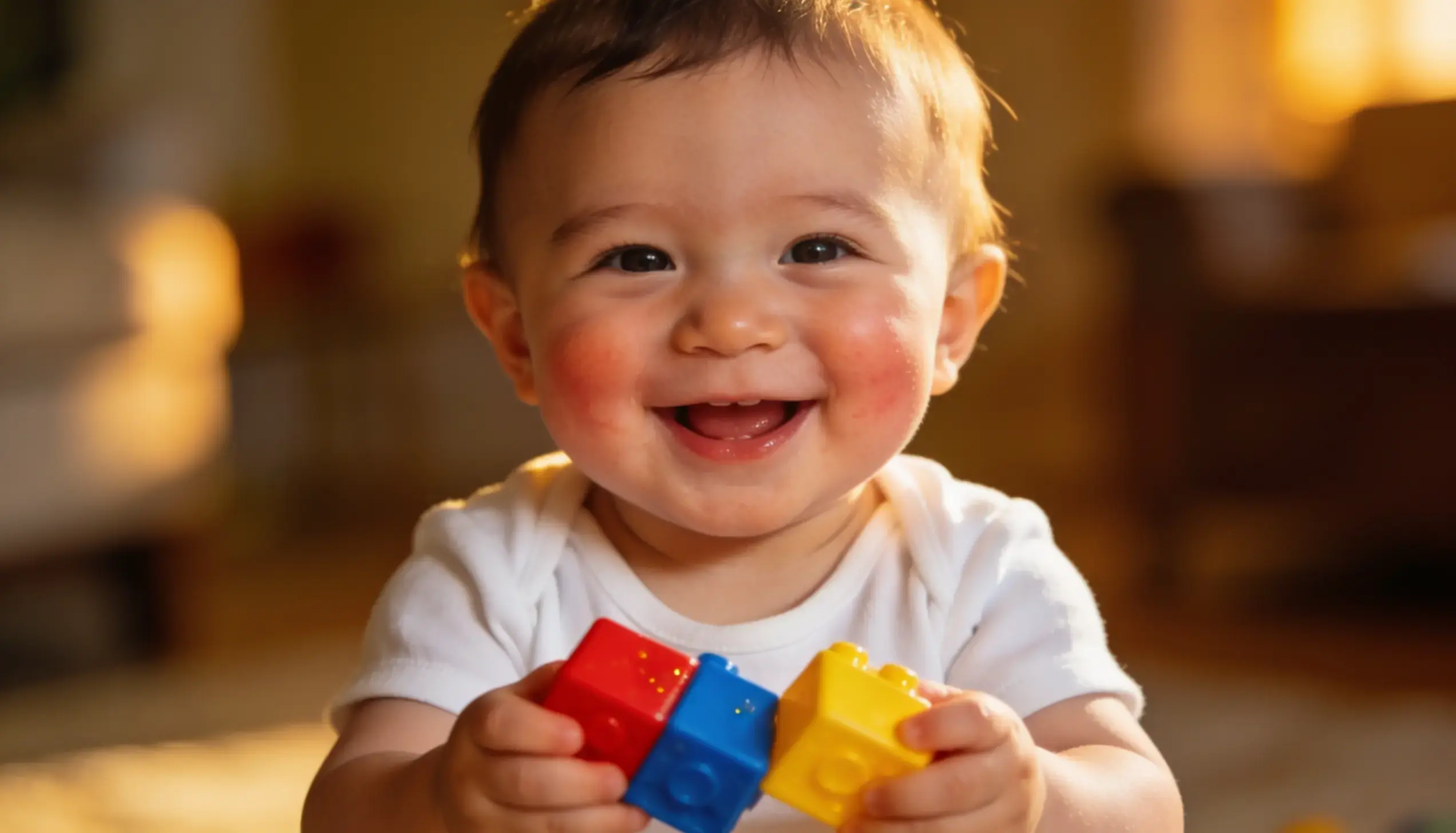
How Do I Know If My Child Does Not Have Autism? Key Signs Parents Should Notice


Autism Symptoms in Children: How Do I Know If My Child Needs an Assessment?
Autism symptoms in children may appear as communication difficulties, reduced social interaction, delayed speech, limited eye contact, repetitive movements, strong attachment to routines, or intense sensory reactions to sounds, lights, textures, or tastes.
Many parents search for “autism symptoms in children,” “how do I know if my child has autism,” or “autistic child meaning” because they notice differences in speech, play, response to name, or social interaction.
But it is important to start calmly: one sign alone does not mean a child is autistic. At the same time, persistent signs should not be ignored. The goal is not to diagnose from the internet, but to know when professional assessment may be helpful.
At Mental Care, we believe early understanding helps families respond with calm support instead of blame or comparison.
This article is for awareness only and does not diagnose autism. If you are concerned about your child’s development, communication, or behavior, speak with a qualified specialist, pediatrician, or child psychiatrist.
What Is Autism?
Autism, or autism spectrum disorder, is a developmental condition that affects how a child communicates, interacts, learns, and behaves. Its presentation and support needs vary from one child to another.
The word “spectrum” matters because autism does not look the same in every child. One child may have clear speech delay, while another may speak well but struggle to understand emotions, make friends, or cope with change.
That is why comparing children can be misleading. What matters is observing communication, behavior, play, and daily functioning over time.
Autistic Child Meaning
An autistic child is a child who has traits or a diagnosis within autism spectrum disorder. This does not mean the child is badly behaved, stubborn, or unintelligent.
An autistic child may communicate, learn, and respond to the world differently. With the right support, many children can build communication, social, learning, and daily living skills in ways that fit their needs.
What Are Autism Symptoms in Children?
Autism symptoms in children often appear in three main areas: social communication, repetitive behaviors or routines, and sensory differences.
Not every child shows every sign, and some children may adapt or hide some difficulties, especially as they grow older.
1. Social Communication Signs
- The child repeatedly does not respond to their name.
- They use little eye contact or avoid it.
- They do not point to show something interesting.
- They do not share interests with others as expected for their age.
- They find it hard to copy facial expressions or gestures.
- They seem uninterested in playing with other children or do not know how to join play.
2. Speech and Language Signs
- Delayed speech compared with children of the same age.
- Using few words or losing words they previously used.
- Repeating words or phrases in the same way.
- Speaking in a flat or unusual tone.
- Difficulty understanding instructions or answering questions.
3. Behavior and Routine Signs
- Repeating movements such as hand flapping, spinning, or rocking.
- Becoming very upset by changes in routine.
- Playing with toys in the same way every time.
- Focusing on parts of toys instead of using them in typical play.
- Having very intense interests in specific topics or objects.
4. Sensory Signs
- Strong distress from loud sounds or bright lights.
- Rejecting certain clothes or foods because of texture.
- Very strong or very low response to pain, heat, or touch.
- Seeking certain sensations such as pressure, movement, or spinning.
How Do I Know If My Child Does Not Have Autism?
You cannot confirm that a child does not have autism from one question or one sign. However, age-appropriate response to name, eye contact, pointing, sharing interests, pretend play, social interaction, and language development can be reassuring signs.
It may be more helpful to ask: Is my child’s communication, language, play, and social development appropriate for their age? Are there persistent signs that deserve assessment?
If your child responds to their name, points to what they want or what interests them, shares enjoyment, imitates you, uses pretend play, and interacts with children in an age-appropriate way, these may be reassuring. But if you remain concerned or notice several persistent signs, assessment is better than long waiting.
Speech Delay vs. Autism
Speech delay alone does not necessarily mean autism. Autism is not only about speech; it also involves social communication, shared attention, play, repetitive behaviors, routines, and sensory differences.
| Speech Delay | Autism |
|---|---|
| The main difficulty may be speech or language | Involves social communication, behavior, interests, and sensory differences |
| The child may still try to communicate through pointing or looks | Shared attention and social interaction may be lower than expected |
| Pretend play may be age appropriate | Play may be repetitive, limited, or less imaginative |
Causes of Autism in Children
Autism does not have one single direct cause. Research suggests that genetic, biological, and environmental factors may increase the likelihood of autism, but this does not mean parents caused it.
One of the most harmful mistakes is blaming the mother or father. Autism is not caused by lack of love, poor parenting, or a wrong parenting style. Early support matters, but blame does not help the child or the family.
Family history, certain genetic factors, and some pregnancy or birth-related factors may be associated with higher likelihood, but diagnosis is based on the child’s development, behavior, and communication, not on guessing a cause.
Do Vaccines Cause Autism?
No. Vaccines do not cause autism. The claim that vaccines cause autism is a widespread misconception and is not supported by scientific evidence.
Fear of autism should not delay a child’s vaccinations or healthcare. Protecting the child from disease and supporting developmental needs are both important and do not conflict with each other.
Is There a Treatment for Autism?
There is no treatment that erases autism or turns the child into someone else. However, early evidence-based support can help improve communication, social skills, independence, and daily functioning.
When parents search for “autism treatment,” they often mean: How can I help my child communicate? How can I support speech? How do I handle meltdowns? How can I help at school? These are important questions.
A support plan may include speech therapy, occupational therapy, social skills training, behavioral support, family guidance, and school or nursery collaboration. Each child needs a plan that fits their strengths and challenges.
When Does My Child Need Professional Assessment?
Your child may need assessment if they do not respond to their name, do not point, do not share interests, have clear speech delay, avoid interaction, repeat movements or words, or become extremely upset by change or sensory triggers.
Requesting an assessment does not mean you are confirming a diagnosis. It means you are trying to understand your child’s needs and the most suitable support.
The earlier support starts, the easier it can be to help the child develop skills and manage challenges in a calmer and more structured way.
Through the Therapists page, you can browse available specialists and choose a suitable time. You can also read more articles about child development and mental health through the Blog or learn more about the platform through the About Us page.
Worry alone is not enough — assessment can clarify the path
If you are worried about autism signs, speech delay, or communication difficulties in your child, book an assessment session with a specialist through Mental Care and take a safe step toward understanding your child’s needs.
Book an AssessmentWhy We Should Not Diagnose Celebrities From the Internet
Searching whether a celebrity has autism does not make the information true. It is not appropriate to confirm or deny a health diagnosis for any public figure without a reliable medical source or clear public statement.
Celebrity-related searches often come from curiosity or trends, but they should not be used to diagnose children or compare your child’s behavior to someone else’s public image.
The more useful question is: Does my child have persistent communication, play, behavior, or sensory signs that need assessment?
Stay Close to Support and Awareness
If you are trying to understand autism signs or you are worried about your child’s development, you can use the following Mental Care links.
Frequently Asked Questions About Autism in Children
What are autism symptoms in children?
Autism symptoms may include communication difficulties, reduced social interaction, delayed speech, limited eye contact, repeated movements or words, distress with routine changes, and sensory sensitivity to sounds, lights, or textures.
How do I know if my child does not have autism?
Age-appropriate response to name, eye contact, pointing, sharing interests, pretend play, and social and language development can be reassuring, but persistent concerns or multiple signs need professional assessment.
Does speech delay mean autism?
No. Speech delay alone does not mean autism. Autism also involves social communication, play, repetitive behaviors, routines, and sensory differences.
What causes autism in children?
There is no single cause of autism. Genetic, biological, and environmental factors may interact, but this does not mean parents caused the condition or that parenting style is the reason.
Do vaccines cause autism?
No. Vaccines do not cause autism. The idea that vaccines cause autism is a common misconception and is not supported by scientific evidence.
Is there a treatment for autism?
There is no treatment that erases autism, but early support can help improve communication, social skills, independence, and daily functioning.
When should my child have an assessment?
If your child does not respond to their name, has clear speech delay, does not share interests, avoids interaction, repeats movements or words, or becomes very distressed by change, assessment is recommended.
Conclusion
Autism is not a frightening word when approached with understanding. It is a developmental difference that needs careful observation and suitable support, not blame or comparison.
If you are worried about your child, do not rely on search alone and do not wait too long because of fear. Early assessment can clarify the picture and help you start the right support steps.
If You Are Worried About Your Child’s Development, Ask a Specialist
If you are worried about autism signs, speech delay, or communication difficulties in your child, do not rely on search alone. Book an assessment session with a specialist through Mental Care and take a safe first step toward understanding your child’s needs.
Book an Assessment Download the App